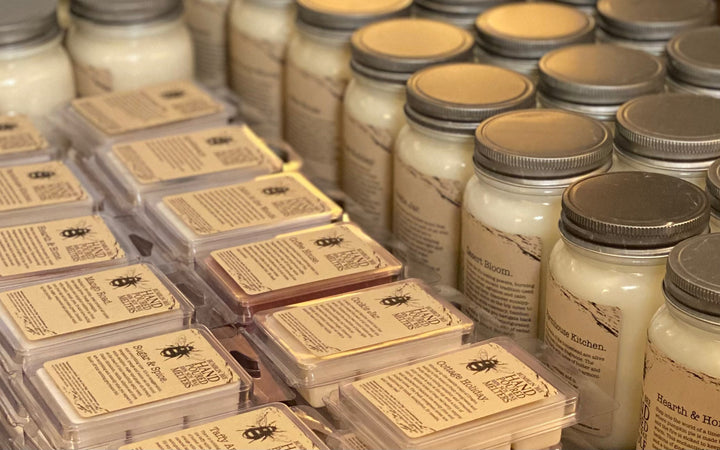
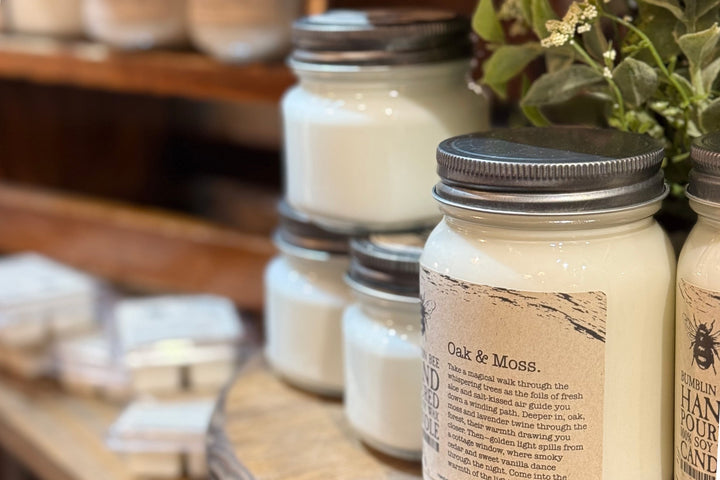
There's a romantic version of starting a candle company. You imagine slow mornings pouring wax in sunlit kitchens, beautifully wrapped orders, a loyal Instagram following, and your scents quietly becoming part of someone's home. Some of that does happen.
But first comes the less glamorous part: burn tests, leaking vessels, crooked labels, shipping costs that make you question capitalism, and realizing your "small little side project" suddenly needs inventory systems, supply chain planning, and batch tracking. (Check out BLNDR.io btw, it will organize your chaotic lifecycle in candlemaking)
Most candle brands don't fail because the founder lacks taste. They fail because the operational side shows up long before people expect it to.
The good news? You do not need a warehouse, investors, or 75 scents to begin. You need momentum.
Start Smaller Than Your Ego Wants To
Some makers begin backwards. They try to launch 24 fragrances, multiple vessel sizes, seasonal collections, wax melts, room sprays, diffusers, a Shopify store, wholesale options, subscriptions, and custom packaging—all before they've even sold ten candles. That's how people accidentally build themselves a second unpaid full-time job.
Start with 3–5 truly strong fragrances, one vessel, one wax type, one consistent aesthetic, and packaging simple enough to fulfill quickly. The goal isn't to look huge. The goal is to become repeatable. Consistency beats complexity every time.
Your First Customers Are Buying You
Early-stage candle brands love obsessing over logo details while ignoring the actual emotional reason people buy candles. Candles are not utility purchases. People buy comfort, memory, identity, atmosphere, ritual, mood, and aspiration. Nobody lights a candle because they desperately needed another object. They light it because they wanted their home to feel different.
Your brand matters because people want to feel connected to the person behind it. Not corporate. Not overly polished. Not "girlboss motivational quote energy." Real. The brands people remember usually feel like someone with taste built them intentionally.
You Will Waste Money In The Beginning
This is normal. You will order labels you hate later, vessels that photograph terribly, fragrance oils that smell amazing cold and awful hot, packaging that costs too much to ship, and lids that somehow don't fit despite allegedly fitting. Every candle company has a graveyard shelf. The trick is failing cheaply.
Do not buy 5,000 labels, custom vessels, giant wax quantities, expensive inserts, or premium packaging until your products are moving consistently. Proof first. Scale second.
Your Kitchen Is About To Become A Manufacturing Facility
Nobody talks enough about the operational chaos phase. At some point, oils start taking over cabinets, wax boxes appear everywhere, inventory counts stop matching reality, lids vanish into another dimension, you forget which batch had the wick problem, a scent sells out unexpectedly, and another sits untouched for months.
This is the moment many makers realize: "Oh. This is not just crafting anymore." It's operations. The earlier you build systems, the easier growth becomes later. Track inventory, formulations, suppliers, cost per unit, batch records, testing notes, and reorder thresholds. Because once sales pick up, memory stops being a system.
Social Media Is Not Optional
A hard truth: great products alone rarely win anymore. Attention matters. People want to see the pouring process, failures, testing, behind-the-scenes chaos, packaging, scent inspiration, your workspace, and your routines. The candle industry performs well online because it's inherently visual and sensory.
You do not need to become an influencer. But you do need to become visible. The brands growing fastest today feel human, not manufactured by a committee.
Pricing Is Where Most New Brands Panic
New makers almost always underprice. They calculate wax plus jar plus oil and call it a price. Wrong. You also need to account for failed batches, shipping supplies, labeling, photography, platform fees, taxes, replacements, testing materials, and your time.
If your pricing only works when everything goes perfectly, your pricing doesn't work. And no—charging more does not automatically scare people away. Cheap candles exist everywhere already. You are not competing with the clearance aisle at a department store. You are building a brand people intentionally choose.
The Industry Is More Welcoming Than You Think
One of the surprising things about the candle world is how many makers genuinely help each other. People share supplier recommendations, wick advice, testing feedback, packaging sources, shipping tips, and equipment recommendations. That community matters because almost every candle founder hits the same wall eventually: "How is this suddenly so complicated?" You are not failing when that happens. You are just crossing the line between hobby and business.
The Real Goal Isn't "Going Viral"
It's sustainability. A candle company becomes real when customers reorder without reminders, your operations stop feeling chaotic, inventory becomes predictable, your margins improve, your brand develops recognition, and people begin recommending you organically. Slow growth that survives is more valuable than explosive growth that collapses. The brands that last usually aren't the loudest. They're the ones that stayed consistent long enough to matter.
Final Thought
Most successful candle companies did not begin with massive funding, perfect branding, or flawless launches. They started with a table, a wax melter, too many fragrance oils, trial and error, stubbornness, and a founder who kept going long enough to figure it out. That part matters more than almost anything else. Because the candle industry is full of people who thought about starting. Far fewer actually did.